EN
EN

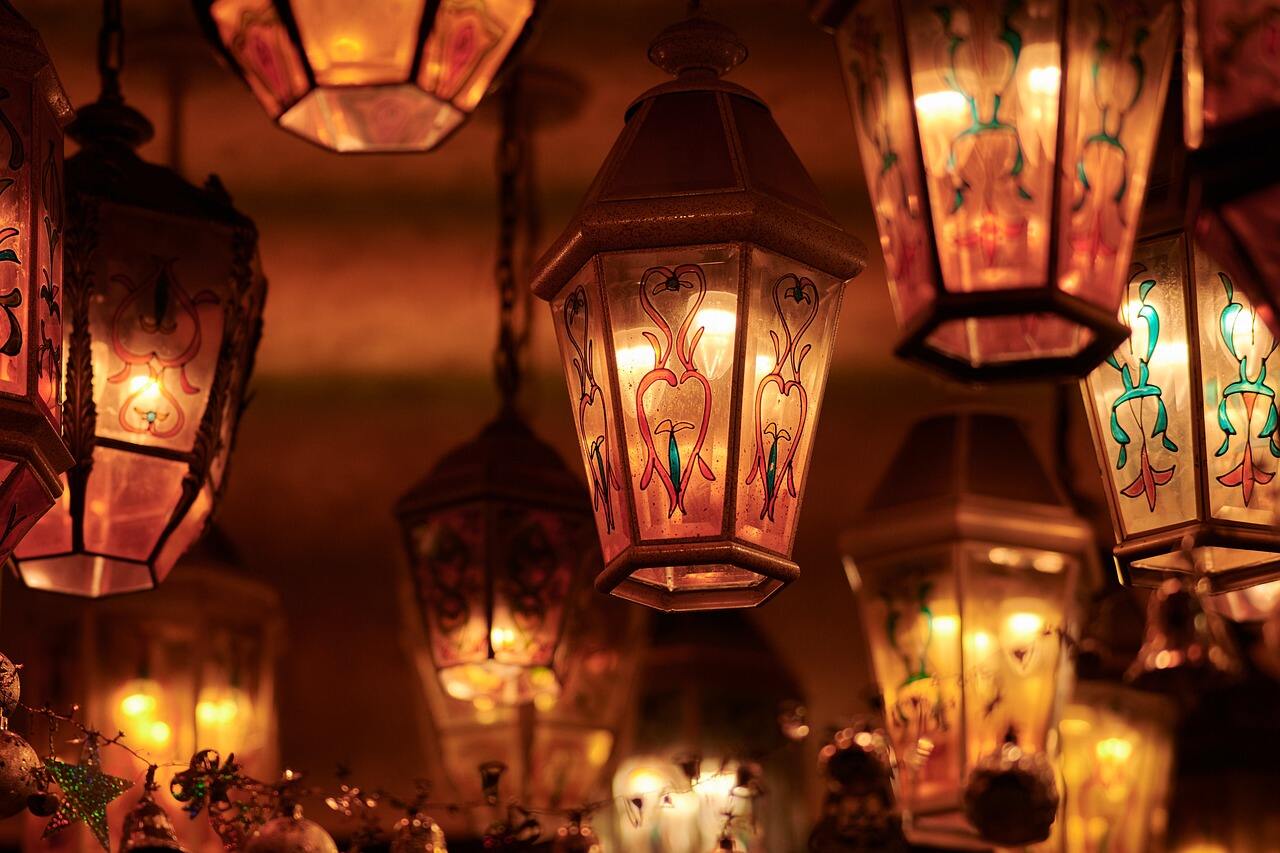
Ključne faze proizvodnje dekorativnih solarnih svjetiljki koje zahtijevaju mnogo vode
Čišćenje silicijskih fotonaponski ćelija i obrada pločaka
Izrada solarnih ćelija za one luksuzne dekorativne lampe zahtijeva vodu tako čistu da je gotovo smiješna. Srednje veličine postrojenja može proći oko 5 milijuna galona mjesečno samo za stvari kao što su kemijske kupke i čišćenje površina. Pogledajte što se događa s svakom silicijumskom obročicom tijekom obrade. Ti pločice obično zahtijevaju više od 15 koraka čišćenja dok se urezuju i teksturiraju, a proizvođači na kraju koriste negdje iznad 1.800 litara ultračiste vode (poznate kao UPW) za svaku seriju ploča koje proizvode. Zašto sva ova voda? Jer čak i najmanja mrlja je važna. Jedna čestica među milijunima može zapravo smanjiti učinkovitost pretvaranja sunčeve svjetlosti u struju za bilo gdje između 3% i 7%. I evo još jednog problema: da bi se UPW očistio, odbacuje se oko 30 do 40% vode koja ulazi u sustav kroz nešto što se zove povratna osmoza. To postaje jako problematično u područjima koja već bore s nedostatkom vode, gdje podzemni izvori vode nestaju trostruko brže nego što se ponovno puniju.
Anodiranje, premazivanje i površno završetak metalnih kućišta
Upotreba vode u obradi metalnih dijelova čini oko 60 do 70 posto ukupne potrošnje vode u tvornici zbog svih tih uzastopnih koraka za umanjkivanje. Kada je riječ o anodiranju aluminijumskih dijelova, tvornice trebaju čistu vodu za ispiranje nakon svake elektrohemijske kupke. U prosjeku, na kraju koriste oko 50 galona za svaki kvadratni metar površine tretirane. Nakon nanosa premaza, postoje specijalni hidrofobni tretmani koji zahtijevaju još više ispiranja deionizirane vode samo da bi se izbjegle mrlje na gotovom proizvodu. To je jako važno jer će bilo kakve nečistoće ostaviti vidljive mrlje na dekorativnim površinama. Ono što najviše zabrinjava mnoge upravitelje postrojenja su procesi pasivacije na bazi hroma. To stvara otrovni otpad koji treba od sedam do deset ciklusa za razblažavanje prije nego što se može sigurno ispustiti u okoliš. Postoje novi sistemi zatvorenog kružnog kružnog kružnog kružnog kružnog kružnog kružnog kružnog kružnog kružnog kružnog kružnog kružnog kružnog kružnog kružnog kružnog kružnog kružnog kružnog kružnog kružnog kružnog kruž Međutim, samo je oko 15% malih proizvođača ih je do sada usvojilo uglavnom zato što zamjena tih membrana košta više od 12.000 dolara godišnje, što jednostavno nije izvodljivo za mnoge proračunske operacije.
Geografski stres vode i njegov utjecaj na proizvodni otisak
U skladu s člankom 3. stavkom 2.
Više od tri četvrtine dekorativnih solarnih lampa se proizvodi na mjestima gdje je voda danas vrlo rijetka, posebno u Kini, Vijetnamu i Indiji. To stvara sve vrste problema za operacije niz cestu. Uzmimo, na primjer, Kinu - cijene vode za industrijske proizvode su u 2021. godine dostigle oko 6,3 dolara po kubnom metru, prema istraživanju Li i Ma. U međuvremenu u Vijetnamu, zemlja ima prilično loš rezultat kada je u pitanju osnovni stres vode na 4,2 od 5 na temelju tih WRI Aqueduct izvješća o hidrološkim rizicima. Kada se toliko tvornica okupi u tim područjima, oni se na kraju suočavaju s glavoboljama u lancu snabdijevanja tijekom suše, plaćaju više novca dok vlade rešavaju pravila o otpadnim vodama i bore se oko ograničenih resursa s poljoprivrednicima kojima je voda također potrebna. Brojke također ne lažu. Druge industrije koje koriste puno vode pate od gubitka u prosjeku preko 740k $ svake godine po tvornici u ovim teškim mjestima, prema podacima Ponemon Instituta iz prošle godine. Pametne tvrtke počinju premjestiti proizvodnju negdje drugdje u jugoistočnoj Aziji gdje stres vodom nije tako loš (broj ispod 2.0) i ulažu novac u sustave na licu mjesta koji recikliraju vodu umjesto da je samo bacaju. Ove promjene pokazuju zašto je pravilno upravljanje vodom toliko važno za održavanje glatkog rada cijelog lanca opskrbe diljem svijeta.
U skladu s člankom 4. stavkom 1.
Proizvođači koji proizvode male dekorativne solarne lampe često se bore s vodnim upravljanjem jer nemaju mnogo novca ili dobru infrastrukturu. Biti bolji u korištenju resursa učinkovito je jako važno ovih dana. To pomaže u smanjenju troškova, smanjuje štetu okolišu i održava konkurentsku sposobnost poduzeća, jer se propisi strože i kupci traže ekološki prihvatljivije proizvode. Kada tvrtke usvoje pametne metode uštede vode, one mogu zapravo smanjiti količinu vode koju njihova proizvodnja sunčeve svjetlosti koristi, a istovremeno proizvode kvalitetne proizvode. Ovo posebno dobro radi za manje operacije gdje svaka kap računa i otpad više nije opcija.
U skladu s člankom 3. stavkom 2.
Male tvornice koje se bave obradom metalnih povrća i premazima mogu imati velike koristi od sustava za vodovod u zatvorenom ciklusu. Ove instalacije uspijevaju tretirati i vratiti u upotrebu oko 80% vode iz procesa koja bi inače otišla u odvod. U početku se obično troši između dvadeset i pedeset tisuća dolara, ali većina poduzeća vidi da se njihova ulaganja isplaćuju za dvije do četiri godine. -Kako? -Ne znam. Niži računi za kupnju pitke vode (štednja od pet do dvanaest tisuća godišnje) plus smanjenje tih skupih troškova za odlaganje otpadnih voda čini svu razliku. Ono što je stvarno lijepo u vezi ovih sustava je njihov modularni dizajn koji omogućuje tvrtkama da počnu male i prošire se po potrebi uz njihove rastuće zahtjeve za proizvodnjom. Također vrijedi spomenuti i prednosti za okoliš. Tvornice koje instaliraju takve sustave bolje izgledaju u izvješćima o održivosti, dok ublažavaju pritisak na već oskudne lokalne zalihe vode. Razmislite o mjestima gdje nestašica vode postaje uobičajeni problem u proizvodnim zonama. Za manje proizvođače koji gledaju u budućnost, ozbiljno prihvaćanje cirkularnog upravljanja vodom više nije samo željanost. To predstavlja pravu priliku da se istaknemo kao odgovorni prema okolišu, istodobno gradeći čvršće temelje za kontinuitet poslovanja u neizvjesnim vremenima.
Politika, transparentnost i praznine u podacima u izvještavanju o korištenju vode
Nedostatak standardnih metoda izvješćivanja i transparentnosti sprečava poboljšanja u smanjenju potrošnje vode za proizvodnju vanjske rasvjete. Mnoge tvrtke koje proizvode dekorativne solarne lampe ne prate svoju potrošnju vode ispravno kroz važne procese poput proizvodnje silicijskih oblaka i završetka metala. To otežava usporedbu performansi između različitih proizvođača, skriva ono što se događa u regijama koje se suočavaju s ozbiljnim nedostatkom vode kao što su dijelovi Kine i Vijetnama, i usporava napore za zelenu proizvodnju. Kada nema pravila koja zahtijevaju od tvrtki da otkriju ove informacije, postaje gotovo nemoguće za njih da otkriju gdje se voda troši ili dokažu da li se ulaganje u reciklažne sustave zapravo isplaćuje financijski. Prema nedavnim istraživanjima iz industrije, tvornice koje redovito prate potrošnju vode imaju tendenciju da smanje potrošnju za 15 do 30 posto brže po proizvedenoj proizvodnji. Potrebni su nam bolji načini mjerenja vodnih otisaka, uključujući i plavu vodu (koja dolazi iz površinskih ili podzemnih izvora vode) i sivu vodu (količinu potrebnu za čišćenje onečišćenja). Prave promjene će se dogoditi samo kada industrija surađuje na stvaranju specifičnih standarda izvješćivanja koji omogućuju kompanijama pošteno uspoređivanje, međusobno odgovornost i ubrzanje razvoja solarnih proizvoda koji ukupno koriste manje vode.
ČESTO POSTAVLJANA PITANJA
Zašto je ultračista voda neophodna za proizvodnju solarnih ćelija?
Ultračista voda je ključna jer čak i sitne nečistoće mogu smanjiti učinkovitost solarnih ćelija utječući na način na koji pretvaraju sunčevu svjetlost u struju.
S kojim se izazovima suočavaju proizvođači dekorativnih solarnih lampa u područjima s visokim stresom?
Proizvođači u regijama poput Kine, Vijetnama i Indije suočavaju se s izazovima kao što su nestašica vode, prekidi lanca snabdijevanja, povećani troškovi zbog strogih propisa o otpadnim vodama i konkurencija za resurse.
Kako maloproizvodnici mogu poboljšati učinkovitost korištenja vode?
U skladu s člankom 21. stavkom 1. točkom (a) Uredbe (EZ) br. 1225/2009 Komisija je odlučila o uvođenju mjera za smanjenje emisija vode u skladu s člankom 21. stavkom 2. točkom (a) Uredbe (EZ) br. 1225/2009.
Zašto nedostaje transparentnost u izvještavanju o upotrebi vode?
U skladu s člankom 1. stavkom 2. stavkom 2.
Koje prednosti nude sustavi za vodu zatvorenog ciklusa?
U skladu s člankom 3. stavkom 1. stavkom 2.
Sadržaj
- Ključne faze proizvodnje dekorativnih solarnih svjetiljki koje zahtijevaju mnogo vode
- Geografski stres vode i njegov utjecaj na proizvodni otisak
- U skladu s člankom 4. stavkom 1.
- Politika, transparentnost i praznine u podacima u izvještavanju o korištenju vode
-
ČESTO POSTAVLJANA PITANJA
- Zašto je ultračista voda neophodna za proizvodnju solarnih ćelija?
- S kojim se izazovima suočavaju proizvođači dekorativnih solarnih lampa u područjima s visokim stresom?
- Kako maloproizvodnici mogu poboljšati učinkovitost korištenja vode?
- Zašto nedostaje transparentnost u izvještavanju o upotrebi vode?
- Koje prednosti nude sustavi za vodu zatvorenog ciklusa?