EN
EN

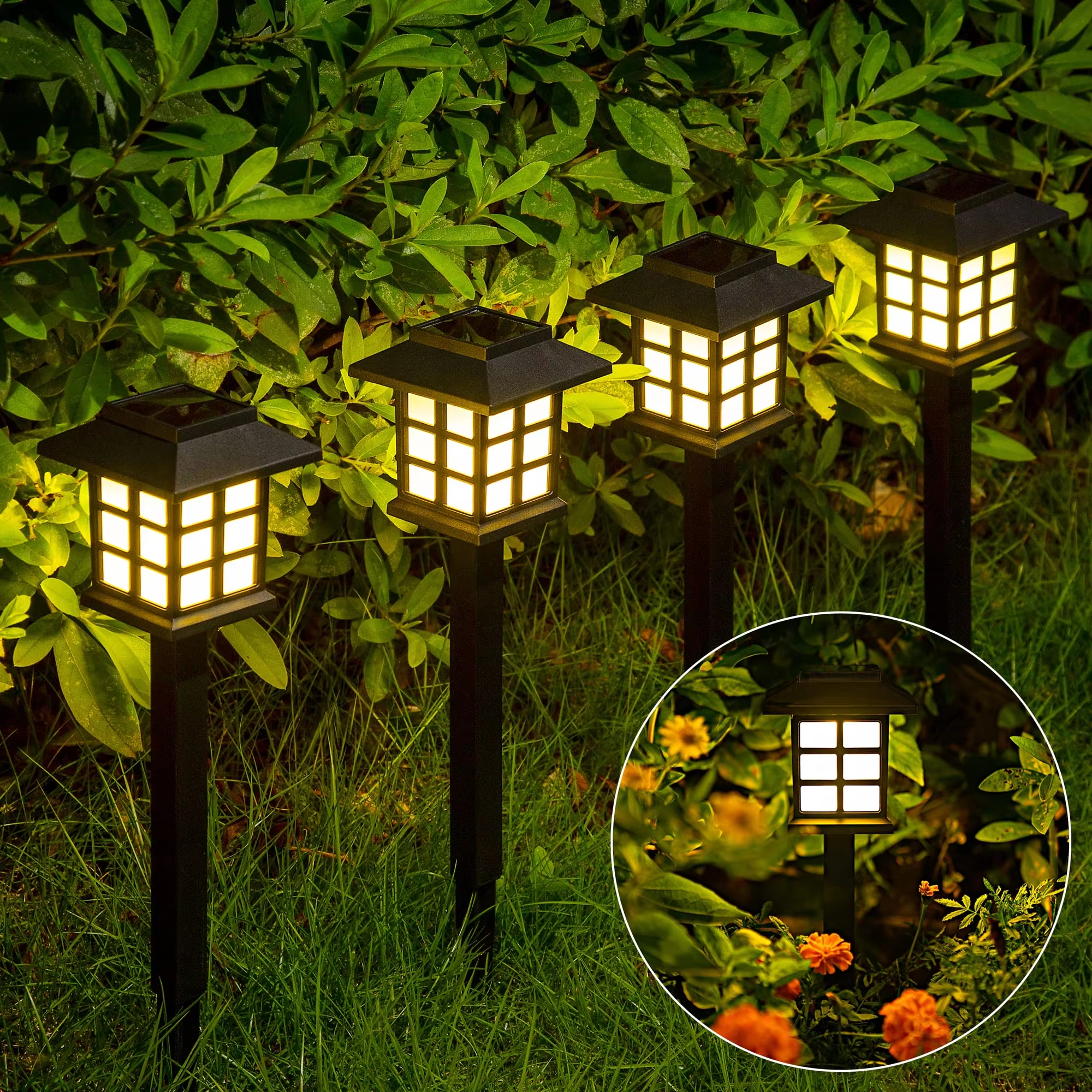
Zašto je upoređivanje performansi solarnih rasvetljača važno za kupce B2B
Komercijalni uređaji za uređivanje vrtova koji ne provjeravaju svoj rad pri kupnji solarnih svjetala za travnjak često se na kraju suočavaju s velikim glavoboljama. Kada instalirate ove sustave u velikom obimu, važno je da svi ta svjetla pouzdano rade na cijelom imanju. Jedan neuspjeh ovdje ili tamo možda na prvi pogled ne izgleda loše, ali s vremenom se ti problemi gomilaju i stvarno ometaju tekuće projekte, povećavajući troškove popravaka. Nedavna istraživanja stručnjaka iz industrije potvrđuju to, pokazujući da proizvodi bez odgovarajućeg testiranja mogu imati između 40% lošije rezultate nego što se očekuje u stvarnim uvjetima na otvorenom. Provodeći temeljna ispitivanja unaprijed, pejzažisti dobivaju konkretne brojeve o stvarima poput toga koliko svjetlo svaka svjetlost zapravo dobiva u odnosu na koliko energije troši, plus koliko dobro izdržavaju kišu i snijeg. Dobivanje ovakvih čvrstih podataka pomaže u otkrivanju slabih mjesta u potencijalnim kupovinama prije nego što potrošite novac na njih, što kasnije štedi tisuće na troškovima zamjene. Plus, osigurava da sve ispunjava trenutne sigurnosne zahtjeve za vanjsku rasvjetu. Na kraju dana, gledajući stvarne razlike u performansama pretvaraju nejasna marketinška obećanja u stvarne specifikacije koje su važne za svakoga tko upravlja radom uređivanja krajolika.
U skladu s člankom 3. stavkom 1.
Izlaz svjetlosti i dosljednost u vrijeme rada
Osvijetljenost, mjerena u lumenima, govori nam koliko se područje zapravo osjeca svjetlom za stvari poput hodnika ili sigurnosnih mjesta. Većini komercijalnih pejzaža potrebno je negdje između 50 i 200 lumena da bi posao bio obavljen kako treba. Koliko dugo svjetla ostaju blistava je isto važno. Najkvalitetnije svjetlo može zadržati najmanje 90% svoje izvorne svjetlosti osam sati ili više bez obzira na doba godine. Ali problemi počinju se pojavljivati kada se uvjeti otežavaju. Neki jeftiniji modeli padaju na 60% svjetlosti za četiri sata tijekom hladnih mjeseci. Kada testiramo ove svjetla u standardnim uvjetima u rasponu od minus pet stupnjeva Celzijusa sve do 40 stupnjeva, vidimo velike razlike u tome koliko dobro rade tijekom vremena. Najbolji su samo za manje od 10%, dok se drugi teško bore. Ako se u slučaju usporedbe različitih mogućnosti osvetljenja radi o mjerenju razine svjetlosti i vremena rada, potrebno je mjeriti i to u različitim godišnjim dobima pomoću odgovarajuće opreme za mjerenje luksa.
Uređivanje učinkovitosti u stvarnim uvjetima
Efikasnost kojom solarni paneli pretvaraju sunčevu svjetlost stvarno utječe na to koliko su pouzdani kada nema puno sunca. Paneli s efikasnošću iznad 22% mogu proizvesti dovoljno električne energije čak i kada oblak zatvara oko polovice neba, dok jeftiniji modeli često imaju problema s održavanjem osnovne funkcionalnosti nakon nekoliko dana oblačnih uvjeta. Kada je riječ o baterijama, litij-gvozdeni fosfat se ističe jer zadržava oko 80% svoje izvorne snage nakon što prođe kroz otprilike 2.000 ciklusa punjenja. To je prilično impresivno u usporedbi s tradicionalnim olovo-kiselinskim baterijama koje obično traju samo oko 500 ciklusa prije nego što je potrebno zamijeniti. U skladu s stvarnim terenskim testovima, sustavi opremljeni kontrolarima za praćenje maksimalne snage imaju tendenciju prikupljati oko 30% više energije svaki dan u usporedbi s starijim postavkama modulacije širine impulsa. Za sve koji ozbiljno razmišljaju o životu izvan mreže, smisleno je testirati koliko se baterije oporavljaju nakon što su tri dana neprekidno neiskorištene, jer to simulira ono što se događa tijekom dugih razdoblja lošeg vremena.
Trajnost, otpornost na vremenske prilike i pouzdanost životnog ciklusa
Za većinu komercijalnih primjena, kućišta s IP65 ocjenom služe kao minimalni standard jer prilično učinkovito zadržavaju prašinu i vodu. Kada radimo testove ubrzanog života na ovim materijalima, određene slabosti se pokazuju. Uzmimo za primjer UV otporan polikarbonat koji obično počinje žuti nakon oko pet do sedam godina izlaganja. Jeftiniji akrilni proizvodi nisu mnogo bolji, često pokazujući znakove degradacije u roku od 18 mjeseci. Ako se instalacija događa u blizini obale gdje je slani zrak prevladava, onda ide za 316 razreda nehrđajućeg čelika ima smisla jer obični čelik jednostavno neće izdržati protiv korozije. Mnogi proizvođači hvali se svojim LED-ovima koji traju 50.000 sati, ali rijetko spominju kako se upravlja toplinom. Ako ste ozbiljni u pogledu pouzdanosti, trebali biste provjeriti stvarnu razvod topline pomoću infracrvene skeniranja kada oprema radi neprekidno tijekom dugog vremena. Pogledajte rezultate nezavisnih testova otkriva nešto zanimljivo proizvode koji dolaze s najmanje pet godina garancije zapravo ne tri puta češće nego oni bez takvih garancija.
Kako provesti valjan, ponovljiv solarni test usporedbe svjetlosti travnjaka
U slučaju da se primjenjuje jedan od sljedećih postupaka:
Imajući čvrst protokol testiranja na mjestu stvarno je važno kada pokušavate dobiti dobre rezultate referentne vrijednosti. Nađite mjesto koje ostaje isto svaki dan za testiranje solarnih panela ili slične opreme. Idealno mjesto bi bilo negdje otvoreno gdje sunčeva svjetlost neprekidno pada tijekom dana bez da se senke uspore. Preporučujemo testiranje najmanje 10 dana zaredom jer se vremenski uvjeti mogu puno razlikovati između jutra i popodneva, plus dnevne razlike u oblačnosti i temperaturi. Svjetlosni senzori također trebaju redovnu provjeru. U slučaju da se ne provodi provjera, provjera se provodi u skladu s člankom 6. stavkom 2. Slijedite tri glavne stvari tijekom svakog sata: koliko je svjetlo izmereno u luks jedinicama, koje se čitanja napona prikazuju i koja je temperatura zraka zapravo. To pomaže utvrditi jesu li promjene u učinkovitosti posljedica stvarnih problema s opremom ili samo normalnih fluktuacija uzrokovanih različitim čimbenicima okoliša.
U skladu s člankom 4. stavkom 1.
U skladu s člankom 3. stavkom 1. Svaka svjetla mora biti u skladu s uvjetima utvrđenima u Prilogu I. U slučaju da se primjenjuje metoda za izračun vrijednosti, primjenjuje se metoda za izračun vrijednosti.
- Dosljednost u vrijeme rada (% težine): izračunavanje odstupanja od oglašavanog vremena rada tijekom dana s malo sunčeve svjetlosti.
- Efikasnost punjenja (% mase): Mjerna snaga obnovljena nakon 4 sata u odnosu na 8 sati vrhunskog sunca.
- Testiranje trajnosti (% težine): Simulirajte 100+ ciklusa vlažnosti i mehaničkog napona.
Ova metoda otkriva prave nedostatke u učinkovitosti, osnažujući nabavku na temelju pouzdanosti životnog ciklusa - a ne samo početnih troškova.
U skladu s člankom 4. stavkom 2.
Usporedba pretvara te osnovne brojeve koje prikupljamo u nešto korisno za donošenje pametnih odluka o kupnji. Kad gledamo različite dobavljače, ono što je stvarno važno je koliko dosljedno svjetle ove svjetla tijekom vremena i koliko dugo traju kada se zapravo koriste u terenu. To su velike razlike koje se pojavljuju kada provodimo standardne testove i uspoređujemo proizvode jedan uz drugi. Uzmimo za primjer LED jedinice koje zadržavaju više od 90% svjetlosti čak i nakon što prođu oko 500 ciklusa punjenja. Takvi uređaji obično traju otprilike 35% duže nego što većina proizvođača tvrdi kao prosjek, što znači značajnu uštedu u troškovima zamjene. U kombinaciji s tim, provjeravanje učinkovitosti može se provesti i usporedbom cijena tijekom pregovora o ugovoru. Prodavači koji prodaju svjetla koja proizvode više od 4 lumena po vati i ispunjavaju i ocjene zaštite IP65 i standarde pravilnog upravljanja toplinom općenito daju oko 18 do 22 posto bolju vrijednost tijekom cijelog životnog vijeka. Uvijek provjerite specifikacije proizvođača u odnosu na uspostavljene standarde kao što su ANSI C78.377 i IEC 62717 kako biste vidjeli da li ono što obećavaju odgovara stvarnoj izvedbi na mjestu. Upotreba ove metode smanjuje neizvjesnost pri kupnji u velikoj količini, pomažući upraviteljima krajolika da pronađu pravu ravnotežu između početnih troškova i pouzdanog rada tijekom mnogih godina.
Često postavljana pitanja
Zašto je usporedba važna za solarna svjetla za travnjak?
U skladu s člankom 21. stavkom 1. točkom (a) Uredbe (EZ) br. 765/2008 Komisija je odlučila o uvođenju mjera za utvrđivanje mjera za utvrđivanje mjera za utvrđivanje mjera za utvrđivanje mjera za utvrđivanje mjera za utvrđivanje mjera za utvrđivanje mjera za utvrđ
Koje ključne pokazatelje učinkovitosti treba mjeriti?
Izlaz svjetlosti, dosljednost u vrijeme rada, učinkovitost punjenja, izdržljivost, otpornost na vremenske uvjete i pouzdanost životnog ciklusa ključni su pokazatelji za mjerenje tijekom usporedbe.
Kako uređivači uređaja za uređivanje krajolika mogu provoditi valjane testove usporedbe?
U skladu s tim, u skladu s člankom 3. stavkom 1. točkom (a) ovog članka, za sve proizvode koji se upotrebljavaju u proizvodnji električne energije, za koje se primjenjuje ovaj članak, za koje se primjenjuje odredba o emisiji goriva, za koje se primjenjuje odredba o emisiji goriva, za koje