EN
EN

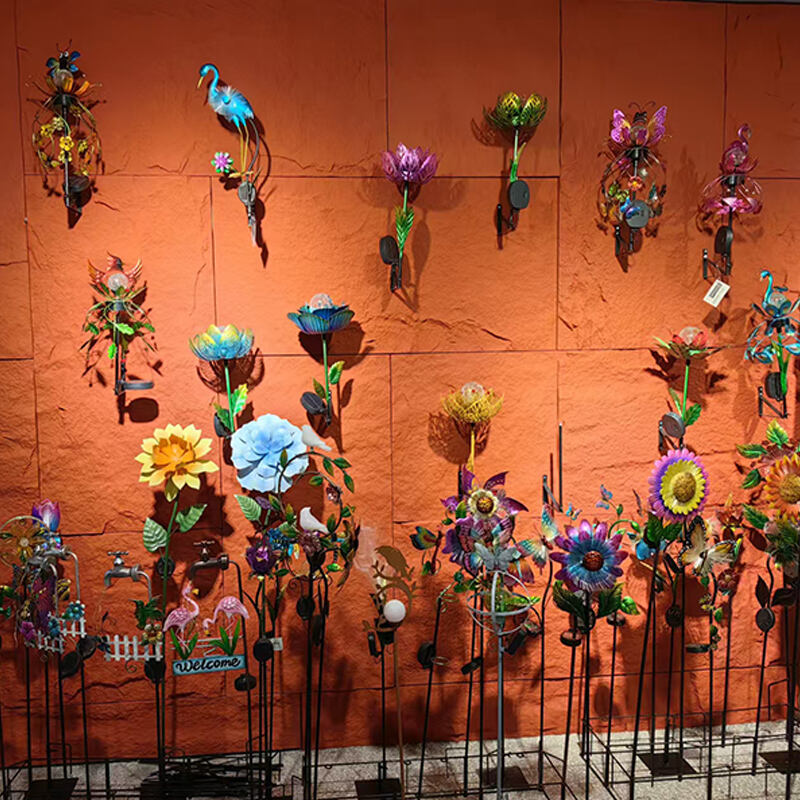
Kulturna važnost simbolike leptira u dizajnu interijera i vrta
Leptir ima mnogo značenja u različitim dijelovima svijeta gdje ekonomija brzo raste, što objašnjava zašto su velike metalne skulpture leptira postale tako popularne za ukrašavanje dvorišta vani. Na mjestima poput Latinske Amerike i dijelova jugoistočne Azije, ova delikatna stvorenja predstavljaju promjenu, novi početak i povezanost s nečim većim od nas. Ove ideje se često pojavljuju u ukrasima njihovih kuća. Uzmimo Brazil kao primjer. Mnogi ljudi koji tamo žive stavljaju leptire oko svojih kuća jer ih vide kao simbole kako se život mijenja tijekom vremena. To ima smisla kada pogledamo što se događa i ekonomski, posebno u novim predgrađima koji se pojavljuju diljem zemlje.
Ustanovljenički prostor
Kako gradovi poput Ho Chi Minh i Jakarta rastu brzo, došlo je do velikog porasta potražnje za dekorativnim predmetima koji miješaju suvremeni izgled s tradicionalnim simbolima. Prema nedavnoj studiji Urban Design Review prošle godine, gotovo polovica (oko 47%) prosječno cijenjenih stambenih projekata u ovim područjima dodaje tematsku umjetnost vrta samo da bi se istaknula od drugih nekretnina. Uzmite te velike metalne leptire koje vidimo posvuda sada rade dvije stvari odjednom čine prednje dvorište ljepšim i iskorištavaju ono što lokalni kupci žele nešto što ih povezuje s njihovom kulturom i zajednicom.
Održivost se susreće s tradicijom
Istraživanje iz 2023. godine među vlasnicima kuća na Filipinima pokazalo je da 62% stavlja prednost umjetnosti na otvorenom napravljenoj od recikliranih materijala, što odražava i svjesnost o okolišu i osjetljivost na troškove. Ova preferencija je u skladu s široko rasprostranjenom kulturnom rezonancom slika leptira, što proizvođačima omogućuje da stavljaju čelične komade prekrivene prahom kao ekološki svjesne naslijeđe umjesto jednokratne dekoracije.
Orientacija na podatke u usklađivanju kultura
| Tržište | Stopa prihvaćanja simbola leptira | Omiljeni materijali |
|---|---|---|
| Vijetnam | 58% | Ocel galvaniziran |
| Meksiko | 41% | Preoblikovani aluminij |
| Indija | 37% | Legure otporne na vremenske uvjete |
(Izvor: Globalno izvješće o trendovima u vrtovima 2024.)
Ova simbolika pokazuje se kao osobito učinkovita u prijelaznim susjedstvima gdje stanovnici usklađuju moderne ambicije s očuvanjem kulture. Arhitekti primjećuju da metalna umjetnička djela s motivom leptira ostvaruju 23% bržu prodajnu dinamiku u odnosu na apstraktne dizajne u sličnim cijenovnim razredima (Asia-Pacific Real Estate Journal 2023).
Ključni tržišni trendovi koji potiču prihvaćanje u urbaniziranim regijama
Urbana ekspanzija i rast uređenja stambenih zelenih površina u jugoistočnoj Aziji i Latinskoj Americi
Prema procjenama Ujedinjenih naroda, do 2050. godine oko 68 posto ljudi širom svijeta očekuje se da će živjeti u urbanih područjima. To je dovelo do značajnog širenja predgrađa u regijama poput jugoistočne Azije i Latinske Amerike, gdje su troškovi za vrtove oko kuća porasli otprilike 22% od početka 2021. godine. Zanimljiva stvar koja se događa danas jest da mnogi vlasnici kuća više ne vide velike metalne leptire koji vise u dvorištima samo kao dekoraciju, već kao pokazatelj bogatstva i ukusa. Ove bojne instalacije spajaju umjetnički stil s praktičnim dizajnom vrta koji odlično odgovara novim kućama koje se grade diljem cijelih gradova.
Uloga društvenih mreža u popularizaciji trenda velikih metalnih leptira za dvorište
Instagram i Pinterest pretvorili su neprimjetne vrtne dekoracije u internetske hitove preko noći. Ljudi gledaju mnoštvo kratkih videa koji pokazuju kako smjestiti one sjajne metalne leptire u svoje tropske vrtove. Ti se klipovi gledaju otprilike tri milijuna puta svakog mjeseca diljem Indije i Indonezije. Kada vide druge kako to rade, ljudi su skloniji pokušati nešto slično i sami. Blogeri o vrtovima i lokalne zvijezde društvenih mreža često hvali te dekorativne predmete kao trajne elemente vanjskih prostora, a ne samo privremene dodatke za proljeće ili ljeto dok cvatu cvijeće.
Utjecaj zapadnih estetika uređenja vrta na ukuse tržišta u razvoju
Možemo vidjeti kako se globalni dizajnerski utjecaji spajaju, osobito dobro u zemljama poput Brazila i Vijetnama danas. Tradicionalni vrtovi s Istoka obično su prilično jednostavni i skromni. No prema anketi prošle godine, otprilike dvije trećine pejzažnih arhitekata koji rade tamo primijetile su da njihovi klijenti traže nešto drugačije. Ti ljudi žele ono što bismo mogli nazvati hibridnim prostorima, gdje se veliki metalni umjetnički predmeti sa Zapada kombiniraju s lokalnim biljkama i cvijećem. Mlađi vlasnici kuća zaista potiču ovaj trend jer žele da njihovi vanjski prostori izgledaju jedinstveno, a da ipak ostanu povezani s njihovim korijenima i baštinom.
Zabrinutost oko održivosti i preferencija za recikliranim metalom u velikim metalnim vrtarskim skulpturama leptira
Kupci svjesni okoliša sada daju prednost dobavljačima koji koriste 80% ili više recikliranog čelika, prema izvješću o kružnim materijalima iz 2024. godine. Proizvođači koji nude opcije s prahom premazane površine ocijenjene za uporabu u tropskoj vlažnosti i morskoj slanoj magli imaju 40% brže okretanje zaliha u usporedbi s konvencionalnim obradama. Ovaj pomak usklađen je s rastućim naglaskom na tržištima u razvoju na izdržljive vanjske investicije otporne na klimatske uvjete.
Analiza gospodarskih i strukturnih pokretača potražnje
Elastičnost potražnje za neobveznim uređenjem vrta u zemljama u razvoju
Neobvezna potrošnja na ukrašne vanjske elemente poput veliki metalni leptir vrt umjetnost pokazuje jaku korelaciju s rastućim kućnim prihodima u razvojnim regijama. Na tržištima gdje BDP po stanovniku premašuje 4.000 USD godišnje (Svjetska banka 2023.), potrošači odvajaju 12–18% budžeta za obnove kuće na estetska poboljšanja vrta — trend koji se pojačava porastom stambenog fonda uslijed urbanizacije.
Sezonskost i utjecaj klime na cikluse kupovanja vanjske umjetnosti
Tropska tržišta pokazuju izražene obrasce kupnje povezane s vremenskim uvjetima. U jugoistočnoj Aziji, 73% prodaje dekorativne metalne umjetnosti događa se tijekom suhe sezone (svibanj–kolo), dok područja koja često imaju monsun, poput istočne Indije, preferiraju koroziji otporne dizajne s prahom premazom. Proizvođači moraju uskladiti svoje proizvodne rasporede s regionalnim klimatskim kalendarima kako bi izbjegli nepodudarnosti zaliha.
Pristupačnost lanca opskrbe i lokalni proizvodni kapacitet
| Radionica | Uvezeni proizvodi | Lokalno proizvedeno |
|---|---|---|
| Prosječno vreme izvedbe | 14–18 tjedana | 5–7 tjedana |
| Utjecaj carina | 22–35% | 8–12% |
| Fleksibilnost prilagodbe | Niska | Visoko |
Lokalne kovačke radionice u Brazilu i Vijetnamu sada reproduciraju složene uzorke leptirovih krila po 40% nižoj cijeni od uvezenih ekvivalenata, smanjujući ovisnost o transkontinentalnoj prijevoznoj logistici.
Podatak: 68% porast uvoza dekorativnih metalnih vrtovih proizvoda u Indiji (2020.–2023.)
Uvoz dekorativnog metala u Indiju porastao je s 47 milijuna na 79 milijuna dolara u ovom razdoblju (Ministarstvo za trgovinu 2024.), pri čemu su motivi leptira predstavljali 29% rasta kategorije. To ide uz širenje naselja s ograničenim pristupom kojima je potrebna uređena okolina — ključni pokazatelj za predviđanje potražnje na sličnim demografskim tržištima.
Provjera potražnje putem regionalnih studija slučaja
Studija slučaja: Uvođenje dekorativnih metalnih insekata u brazilskim suburbanim naseljima
Proširenje infrastrukture u predgrađima Brazila zadnjih je godina znatno potaknulo interes za umjetnošću na otvorenom. Prema izvješćima developerâ, prošle godine zabilježen je porast od oko 27 posto u prodaji onih naprednih metalnih skulptura buba. Uzmimo primjer Alphavillea u São Paulu, gdje mnogi stanovnici polude za velikim metalnim leptirima u svojim dvorištima. Ove skulpture služe istovremeno kao privlačne centralne točke i vrsta društvenih pokazatelja. Ljudi ovdje očito vole ove izražite dizajne s prirodnim motivima jer izgledaju izuzetno dobro nasuprot bujnoj zelenili koja je tipična za tropske vrtove.
Probna prodaja i reakcija potrošača u stambenim naseljima srednje klase u Vijetnamu
Šestomjesečno testiranje u Hanoju i Ho Ši Minu pokazalo je prilično dobre rezultate, zapravo, s oko 63 posto ljudi koji zarađuju pristojne novce i žele proizvode koji traju te dobro izgledaju izvan svojih domova. Ono što je zaista pokrenulo stvari naprijed bile su sve te trendove na društvenim mrežama koje su postale viralne otprilike preko noći. Sjećate li se kada su utjecajne osobe počele prikazivati one velike metalne leptire u svojim dvorišnim uređenjima tijekom vikend šetnji vrtom? To se brzo uhvatilo. Vlasnici trgovina primjećuju nešto zanimljivo. Čini se da ljudi oklijevaju platiti najvišu cijenu za veoma velike predmete. Stoga mnoge trgovine sada usmjeravaju pažnju na manje komade, sve ispod 1,5 metara visine bolje odgovara većini kupaca koji žele ući na ovo tržište bez toga da prvi put previše potroše.
Povratne informacije kupaca i analiza spremnosti za plaćanje velikih metalnih leptira za uređenje dvorišta
Istraživanja nakon kupnje na ciljnim tržištima pokazuju da 78% kupaca više cijeni materijale otporne na vremenske uvjete nego složene detalje. Međutim, 41% izrazilo je spremnost platiti premiju od 15–20% za prilagođene boje premaza. Ova dikotomija ističe mogućnosti za stratificirane cjenovne strategije: osnovne modele od cinkanog čelika za kupce orijentirane na budžet i varijante s prahom presvučenim premazom za bogatije potrošače koji traže ekskluzivnost.
Izrada prediktivnog modela potražnje za skalabilnim ulaskom na tržište
Integracija podataka o raspoloženju potrošača iz alata za praćenje društvenih mreža
Da bi se unaprijedilo ono što potrošači žele, treba se prvo istražiti njihov online razgovor. Uzmite Instagram i TikTok na primjer te platforme su zlatni rudnici kada je u pitanju otkrivanje trendova. U zadnje vrijeme smo vidjeli nešto zanimljivo u ukrasu vrta. Urbanisti koji rade širom Indonezije primjetili su prilično veliki porast razgovora o tim velikim dijelovima izmetanih od metala za vrtove. Njihovi izvještaji pokazuju skoro 42 posto skok u spomenima od prošle godine do ove godine. Dobra vijest je da sada postoje pametni alati koji rasporede sve ove povratne informacije, razbijajući što ljudi zapravo preferiraju u smislu izgleda, izgravirana ili sjajna površina, očito je važno i što ih čini da kupuju. Proizvođači koji obraćaju pažnju na ove signale mogu prilagoditi svoje proizvodne linije puno brže nego prije, usklađujući ono što je vruće na društvenim mrežama s onim što završava na policama trgovina.
U skladu s člankom 3. stavkom 2.
Kako gradovi brzo rastu, određena područja počinju pokazivati konzistentne obrasce u tome što ljudi žele kupiti. Uzmimo primjer vietnamskih satelita - kada se tamo izgradi oko 10.000 kuća srednje klase, lokalne trgovine iznenada vide oko 18% skok u prodaji ukrasa vrtova prema izvješću Asia Property Trends 2023. Većina ljudi koji žive u tim susjedstvima još uvijek žude za nečim jedinstvenim za svoje dvorište. To objašnjava zašto toliko ljudi kupuju te velike metalne leptire u zadnje vrijeme. Pametne tvrtke u znanju traže građevinske dozvole u svim regijama kako bi shvatile gdje će ova vrsta umjetnosti dvorišta biti topla šest do dvanaest mjeseci nakon završetka izgradnje. Oni pažljivo promatraju te signale jer je vrijeme važno na ovom tržištu.
Analiza kontroverze: Je li masovna proizvodnja podrivala umjetničku vrijednost?
Dok automatizirano lasersko sečenje omogućuje ekonomičnu proizvodnju, 61% ispitanika brazilskih kupaca povezuje ručno zavarivane dijelove s višim statusom (izvješće o zanatstvu 2024.). To stvara stratešku napetost. Proizvodnja u razmjerima smanjuje cijene, ali rizično odvaja premium kupce. Uspješne marke se bave ovim kroz slojeve kolekcija: mašinski rezani osnovni modeli dopunjeni ograničenim izdanjem zanatličkih varijanti.
Preporuke za distribuciju proizvoda koja se može razmjeriti, ali je prilagođena kulturi
| Strategija | Primjer provedbe | Utjecaj na tržište |
|---|---|---|
| Modularni dizajn sustava | S druge strane, za vozila s motorom | 37% manji troškovi zaliha |
| Regionalne palete boja | Turkizni akcenti za meksička tržišta | 28% veća konverzija |
| Pop-up instalacijski timovi | Demonstracije stila vrtova uživo | 54% povećana percepcija vrijednosti |
Ovi pristupi uravnotežuju ekonomsku isplativost razmjera i lokalnu važnost, koristeći prediktivne modele koji kulturološke varijable — poput simboličkog značenja boja i uobičajenih veličina vrtnih prostora — tumače jednako važnima kao i demografske podatke. Probni program u Bengaluruu kombinirao je AI-vođene prognoze potražnje s tradicionalnim cehovima obrade metala, postižući 89% prometa zaliha unutar tri sezone.
ČESTO POSTAVLJANA PITANJA
Zašto se leptiri smatraju simboličnima u dizajnu kuće i vrta?
Leptiri predstavljaju promjenu, nove početke i povezanost s većim vrijednostima zajednice, što nalazi odjeka u kulturnim temama na rastućim tržištima.
Kako trendovi urbanizacije utječu na popularnost dekoracija s motivima leptira?
Kako se gradovi šire, vrtne umjetnine s temama poput velikih metalnih skulptura leptira mogu pomoći da se nekretnine istaknu i odražavaju kulturnu važnost.
Je li vrtne umjetnine s motivima leptira ekološki održive?
Da, mnoge vrtne umjetnine s motivima leptira izrađene su od recikliranih materijala i čelika s prahom premaza, što je u skladu s ekološki prihvatljivim praksama.
Kako društveni mediji utječu na trendove umjetnosti leptira za dvorište?
Društvene mreže poput Instagrama i Pinteresta populariziraju ove ukrase za vrtove prikazujući ideje za postavljanje, čime povećavaju potrošački interes.
Na što kupci gledaju kod umjetnosti leptira za dvorište?
Većina kupaca daje prednost materijalima otpornim na vremenske uvjete, ali spremni su platiti više za jedinstvene mogućnosti prilagodbe boje.
Sadržaj
- Kulturna važnost simbolike leptira u dizajnu interijera i vrta
-
Ključni tržišni trendovi koji potiču prihvaćanje u urbaniziranim regijama
- Urbana ekspanzija i rast uređenja stambenih zelenih površina u jugoistočnoj Aziji i Latinskoj Americi
- Uloga društvenih mreža u popularizaciji trenda velikih metalnih leptira za dvorište
- Utjecaj zapadnih estetika uređenja vrta na ukuse tržišta u razvoju
- Zabrinutost oko održivosti i preferencija za recikliranim metalom u velikim metalnim vrtarskim skulpturama leptira
- Analiza gospodarskih i strukturnih pokretača potražnje
- Provjera potražnje putem regionalnih studija slučaja
- Izrada prediktivnog modela potražnje za skalabilnim ulaskom na tržište
-
ČESTO POSTAVLJANA PITANJA
- Zašto se leptiri smatraju simboličnima u dizajnu kuće i vrta?
- Kako trendovi urbanizacije utječu na popularnost dekoracija s motivima leptira?
- Je li vrtne umjetnine s motivima leptira ekološki održive?
- Kako društveni mediji utječu na trendove umjetnosti leptira za dvorište?
- Na što kupci gledaju kod umjetnosti leptira za dvorište?