EN

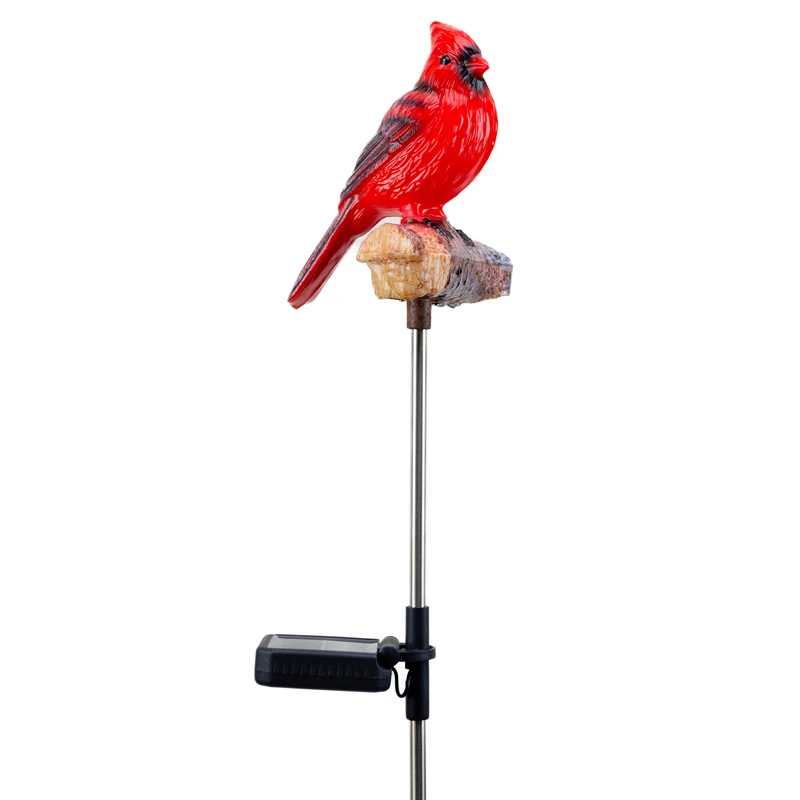
Understanding reliability testing methods for solar garden stakes is crucial for buyers looking to ensure that their outdoor lighting solutions can withstand various environmental conditions. Solar garden stakes, often used for decorative and functional lighting in gardens and landscapes, must demonstrate durability and functionality under repeated outdoor exposure. This article will explore the reliability testing methods specific to these products, addressing key specifications, common problems, and effective sourcing strategies. By understanding these factors, purchasing managers and product managers can make informed decisions when selecting high-quality solar garden stakes for their applications.
Understanding Reliability Testing Methods for Solar Garden Stakes
Reliability testing methods for decorative solar garden stakes primarily focus on evaluating how well the products can endure outdoor conditions over time. These tests often include environmental exposure tests, mechanical stress evaluations, and performance assessments under various weather conditions.
Environmental Exposure Tests: These tests simulate long-term exposure to sunlight, rain, and temperature fluctuations. Solar garden stakes should be subjected to UV exposure tests to measure the effects of sunlight on materials, ensuring they do not degrade or lose functionality over time.
Mechanical Stress Evaluations: This involves testing the physical resilience of the stakes against wind, impact, and other mechanical forces. A reliable solar garden stake should maintain structural integrity when faced with these stresses.
Water Resistance Testing: Given that solar garden stakes often come in contact with moisture, manufacturers usually test for water ingress and sealing effectiveness, ensuring that internal components remain protected from the elements.
Understanding these testing methods can help buyers choose products that are not only aesthetically pleasing but also reliable and long-lasting.
How to Choose Reliable Solar Garden Stakes for Outdoor Use
When selecting solar garden stakes for outdoor use, buyers should consider several critical factors that influence reliability and performance:
Material Selection: High-quality materials such as durable plastics or corrosion-resistant metals can enhance the longevity of solar garden stakes. Buyers should look for stakes that utilize UV-resistant materials to prevent deterioration from prolonged sun exposure.
IP Rating: The Ingress Protection (IP) rating indicates how well the product is sealed against dust and moisture. An IP65 rating or higher is recommended for outdoor applications, ensuring that the stakes can withstand rain and dust without compromising performance.
Battery Quality: The lifespan and performance of the solar garden stake heavily depend on the quality of the battery used. Lithium-ion batteries are often preferred for their longevity and efficiency compared to standard rechargeable batteries.
Design and Features: Look for designs that allow for easy installation and maintenance. Features such as adjustable brightness, automatic on/off functions, and energy-efficient LED lights can enhance usability.
By focusing on these factors, buyers can identify solar garden stakes that will perform reliably in outdoor environments.
Key Specifications for Solar Garden Stakes Under Outdoor Exposure
Several specifications are critical when evaluating solar garden stakes intended for outdoor use:
Dimensions: The height and width of the stake should be suitable for the intended application. For example, taller stakes may be necessary for larger gardens or areas with dense foliage.
Voltage and Wattage: The output voltage and wattage of the solar lights affect brightness and performance. Typical outputs range from 0.5W to 2W, depending on the design and intended use.
Battery Capacity: Measured in milliamp-hours (mAh), battery capacity is crucial for determining how long the lights will operate after charging. A higher capacity indicates a longer run time.
Solar Panel Efficiency: The efficiency rating of the solar panel used in the garden solar stake lights can significantly affect charging times and overall performance. Panels with higher efficiency ratings convert more sunlight into electricity, leading to better performance.
Light Output: Measured in lumens, the brightness of the light produced is essential for ensuring adequate illumination in the garden. Buyers should consider their specific lighting needs when evaluating lumens.
Confirming these specifications before purchase can help ensure the selected solar garden stakes meet the requirements for outdoor use.
Where to Source High-Quality Solar Garden Stakes for Wholesale
Finding reliable sources for high-quality solar garden stakes involves evaluating manufacturers and suppliers based on their capabilities and product offerings.
Manufacturing Capabilities: Look for suppliers with robust manufacturing processes and certifications such as CE, RoHS, and IP65. These certifications indicate adherence to quality standards and safety regulations.
Customization Options: Suppliers that offer customization options can cater to specific design requirements, including branding and packaging. This flexibility can enhance product appeal in the competitive market.
Production Capacity: Evaluate the supplier’s production capacity to ensure they can meet large orders. For example, Xiamen Yuandian Trade Co., Ltd. boasts a substantial production capacity, fulfilling orders swiftly, which can be advantageous for bulk purchasing.
Samples and Prototypes: Requesting samples allows buyers to assess product quality firsthand. This step is crucial to verify that the stakes meet the expected specifications and performance standards.
Customer Support: A supplier's responsiveness and willingness to address queries can significantly impact the purchasing experience. Reliable customer support is essential for resolving issues that may arise during the order process.
By focusing on these aspects, buyers can effectively source high-quality solar garden stakes that align with their business needs.
Common Problems with Solar Garden Stakes and Effective Solutions
While solar garden stakes can enhance outdoor aesthetics, they may encounter several common problems that buyers should be aware of:
Battery Failure: Over time, batteries may degrade, leading to insufficient charging or operation. To mitigate this, buyers should select products with high-quality batteries and consider regular maintenance checks.
Water Damage: Ingress of water can damage electrical components. Ensuring a high IP rating and proper sealing can minimize this risk. Additionally, regular inspections can help catch early signs of water damage.
Solar Panel Efficiency Drops: Dust and debris can accumulate on solar panels, reducing their ability to charge effectively. Regular cleaning of the panels can maintain performance levels and extend the lifespan of the product.
Light Output Reduction: Over time, LEDs may dim or fail. Opting for stake lights for garden with replaceable LED components can provide a longer product life and better sustainability.
Physical Damage: Outdoor conditions can lead to wear and tear. Selecting robust materials and designs can enhance resilience against weather and physical impacts.
By understanding these common issues and implementing effective solutions, buyers can ensure their solar garden stakes remain functional and visually appealing throughout their lifespan.
Table of Contents
- Understanding Reliability Testing Methods for Solar Garden Stakes
- How to Choose Reliable Solar Garden Stakes for Outdoor Use
- Key Specifications for Solar Garden Stakes Under Outdoor Exposure
- Where to Source High-Quality Solar Garden Stakes for Wholesale
- Common Problems with Solar Garden Stakes and Effective Solutions